Succulent Big: A Comprehensive Guide to Growing and Caring for Large SucculentsFrequently Asked Questions
Succulent plants have become increasingly popular in recent years, and it's easy to see why. These fascinating plants come in all shapes, sizes, and colors, with some of the most striking specimens being large and in charge. In this blog post, we'll be discussing everything you need to know about "Succulent Big" – from growing and caring for these plants to their unique characteristics and more.
Succulent plants are native to various regions around the world, and they have adapted to survive in some of the harshest conditions on earth. One of the most interesting things about succulents is their ability to store water in their leaves, stems, and roots, which allows them to thrive in arid environments. But what happens when succulents get big? How do you care for these larger-than-life plants?
In this blog post, we'll be answering those questions and more. Whether you're a seasoned succulent grower or a beginner, you'll find valuable information in this comprehensive guide to "Succulent Big."
Section 1: What Are "Succulent Big" Plants?
When we talk about "Succulent Big" plants, we're referring to succulent species that grow larger than average. While there's no specific size that defines a "Succulent Big" plant, these specimens can range from a few inches in diameter to several feet tall. Some common types of "Succulent Big" plants include:
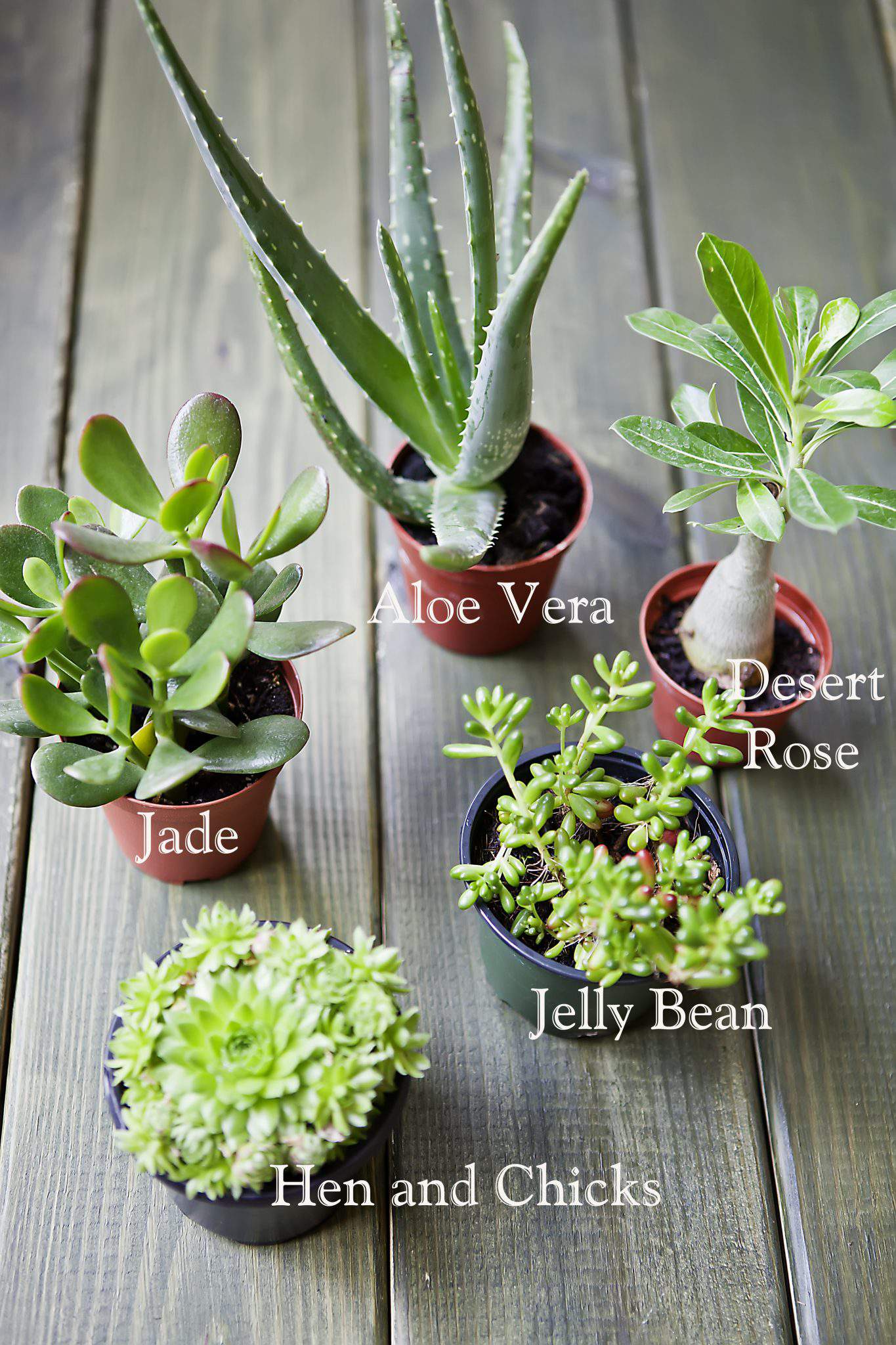
- Aloe Vera
- Jade Plant
- Echeveria
- Agave
- Snake Plant
- Crassula Ovata (Gollum)
Each of these species has its own unique characteristics, but they all share one thing in common – they're big! Let's take a closer look at some of these plants and what makes them so special.
Section 2: Aloe Vera
Aloe vera is one of the most well-known succulent plants, and it's also one of the largest. This plant can grow up to three feet tall and two feet wide, with thick, fleshy leaves that store water. Aloe vera is also known for its healing properties, as the gel inside its leaves can be used to soothe burns, cuts, and other skin irritations.
To care for your Aloe vera plant, make sure it gets plenty of sunlight and water it sparingly – too much water can cause root rot. You'll also want to make sure your pot has good drainage, as waterlogged soil can be deadly for succulents.
Section 3: Jade Plant
The Jade plant is another popular succulent that can get quite large. This plant can grow up to three feet tall and four feet wide, with thick, woody stems and glossy green leaves. The Jade plant is also known as the "money tree" or "lucky plant," and it's said to bring good fortune to its owner.
To care for your Jade plant, make sure it gets plenty of bright, indirect sunlight and water it sparingly. This plant is susceptible to root rot, so you'll want to make sure your soil is well-draining.
Section 4: Echeveria
Echeveria is a beautiful succulent with rosettes of fleshy leaves in shades of green, blue, pink, and purple. While some species of Echeveria stay relatively small, others can grow up to six inches in diameter. These plants are native to Mexico and Central America and are often grown as houseplants.
To care for your Echeveria plant, make sure it gets plenty of bright, indirect sunlight and water it sparingly. These plants prefer well-draining soil and are susceptible to root rot, so avoid overwatering.
Section 5: Agave
Agave plants are known for their striking architectural shapes, with long, pointed leaves that can grow up to six feet tall. These succulents are native to the Americas and are often used in landscaping and garden design.
To care for your Agave plant, make sure it gets plenty of sunlight and well-draining soil. These plants are drought-tolerant and don't require much water, so be careful not to overwater.
Section 6: Snake Plant
The Snake plant is a hardy succulent that's perfect for beginners. This plant can grow up to three feet tall and has long, sword-like leaves that come in shades of green and yellow. Snake plants are native to West Africa and are often grown as houseplants.
To care for your Snake plant, make sure it gets plenty of bright, indirect sunlight and water it sparingly. These plants prefer well-draining soil and can tolerate a wide range of temperatures.
Section 7: Crassula Ovata (Gollum)
Crassula Ovata, also known as "Gollum," is a unique succulent with tubular leaves that curl inward. This plant can grow up to three feet tall and is native to South Africa.
To care for your Gollum plant, make sure it gets plenty of bright, indirect sunlight and water it sparingly. These plants prefer well-draining soil and are susceptible to root rot if overwatered.
Section 8: How to Propagate "Succulent Big" Plants
Propagating succulent plants is relatively easy, and it's a great way to create new plants from existing ones. There are several methods you can use to propagate "Succulent Big" plants, including:
- Stem cuttings
- Leaf cuttings
- Division
To propagate a succulent using stem or leaf cuttings, simply cut off a piece of the plant and allow it to callus over for a few days. Then, place the cutting in well-draining soil and water sparingly until new growth appears.
Division is another method you can use to propagate succulents. To divide a plant, carefully remove it from its pot and separate the individual rosettes or stems. Then, replant each section in its own pot with fresh soil.
Section 9: Common Problems When Growing "Succulent Big" Plants
While succulent plants are relatively easy to care for, they can still experience problems from time to time. Some common issues you may encounter when growing "Succulent Big" plants include:
- Root rot
- Overwatering
- Underwatering
- Pests (such as mealybugs and spider mites)
- Sunburn
To avoid these problems, make sure your succulent plants are getting the right amount of sunlight, water, and nutrients. You'll also want to keep an eye out for pests and take action at the first sign of infestation.
Section 10: Decorating With "Succulent Big" Plants
One of the best things about "Succulent Big" plants is that they make excellent decorative accents for your home or garden. Whether you're looking to create a lush indoor oasis or add some interest to your outdoor space, there are plenty of ways to incorporate these plants into your decor.
Some ideas for decorating with "Succulent Big" plants include:
- Placing them in decorative pots
- Arranging them in groups of varying sizes
- Creating a succulent wall or vertical garden
- Using them as centerpieces or table decor
- Incorporating them into your landscaping
The possibilities are endless when it comes to decorating with succulent plants, so have fun and get creative!
Section 11: Unique Characteristics of "Succulent Big" Plants
Aside from their impressive size, "Succulent Big" plants also have several unique characteristics that set them apart from other types of succulents. Some of these characteristics include:
- Architectural shapes and forms
- Striking colors and textures
- Ability to store water in their leaves, stems, and roots
- Drought tolerance
- Low-maintenance care requirements
These characteristics make "Succulent Big" plants a great choice for anyone looking to add some interest and drama to their indoor or outdoor space.
Section 12: How to Choose the Right Pot for Your "Succulent Big" Plant
Choosing the right pot for your succulent plant is essential for its health and growth. When selecting a pot for your "Succulent Big" plant, consider the following factors:
- Size: Your pot should be large enough to accommodate your plant's root system, but not so big that it retains too much moisture.
- Drainage: Your pot should have drainage holes to allow excess water to escape, preventing root rot.
- Material: Clay pots are a popular choice for succulents, as they allow for air circulation and help to regulate soil moisture.
- Style: The style of your pot is up to you, but keep in mind that it should complement your plant and your decor.
Section 13: How to Water Your "Succulent Big" Plant
Watering succulent plants can be tricky, as these plants require different amounts of water depending on their species and size. When watering your "Succulent Big" plant, follow these guidelines:
- Water sparingly: Most succulents only need to be watered once every 1-2 weeks, and "Succulent Big" plants are no exception.
- Check the soil: Before watering, check the soil to make sure it's completely dry. Stick your finger into the soil up to your second knuckle – if it feels moist, wait a few more days before watering.
- Water thoroughly: When you do water your succulent, make sure to water until the soil is completely saturated. Then, allow the excess water to drain out of the pot.
Section 14: How to Fertilize Your "Succulent Big" Plant
Fertilizing your succulent plants can help them grow faster and healthier. When fertilizing your "Succulent Big" plant, use a balanced, water-soluble fertilizer that's formulated for succulents. Follow the instructions on the package, and be careful not to over-fertilize, as this can burn your plant's roots.
Section 15:
"Succulent Big" plants are a fascinating and beautiful addition to any indoor or outdoor space. Whether you're a seasoned succulent grower or a beginner, these plants are relatively easy to care for and offer a wide range of benefits. By following the tips and guidelines in this guide, you can successfully grow and care for your own "Succulent Big" plants.
Q1: How often should I water my "Succulent Big" plant?
A1: Most succulent plants, including "Succulent Big" plants, only need to be watered once every 1-2 weeks. Make sure to check the soil before watering to avoid overwatering.
Q2: What kind of soil should I use for my "Succulent Big" plant?
A2: Succulent plants prefer well-draining soil that's formulated for cacti and succulents. You can also mix sand or perlite into regular potting soil to improve drainage.
Q3: What kind of fertilizer should I use for my "Succulent Big" plant?
A3: Use a balanced, water-soluble fertilizer that's formulated for succulent plants. Follow the instructions on the package and be careful not to over-fertilize.
Q4: How do I propagate my "Succulent Big" plant?
A4: Succulent plants can be propagated using stem cuttings, leaf cuttings, or division. Allow the cutting or divided section to callus over for a few days before planting in well-draining soil.
Q5: How much sunlight does my "Succulent Big" plant need?
A5: Most succulent plants prefer bright, indirect sunlight. However, some "Succulent Big" plants can tolerate full sun. Check the specific requirements for your plant species.
Q6: Can I grow "Succulent Big" plants indoors?
A6: Yes, many succulent plants can be grown indoors as long as they get enough sunlight and proper care.
Q7: How do I prevent root rot in my "Succulent Big" plant?
A7: To prevent root rot, make sure your pot has good drainage and avoid overwatering your plant. Make sure to use well-draining soil and check the soil moisture before watering.
Q8: What are some common pests that affect "Succulent Big" plants?
A8: Mealybugs, spider mites, and scale insects are common pests that can affect succulent plants. Keep an eye out for these pests and take action at the first sign of infestation.
Q9: Can I prune my "Succulent Big" plant?
A9: Yes, you can prune your succulent plant to control its size and shape. Use a clean, sharp pair of scissors or pruning shears to make clean cuts.
Q10: How do I repot my "Succulent Big" plant?
A10: To repot your succulent plant, carefully remove it from its current pot and gently loosen the roots. Place the plant in a new pot with fresh soil and water sparingly.
14 Succulent big Images

Pin On Plant Combinations

IG Jenssuccs Front Yard Succulent Garden Landscape Succulent

Succulents Succulents Plants Echeveria

Kalanchoe Beharensis Fuzzy Succulent Plant Elephant Ear Plant Felt

Pin By Diane L Dumont On Succulents Succulent Garden Indoor Planting

Big Green Aeonium Urbicum Above Agave Blue Glow Echeveria Ruffles
1000 Images About Succulents Cactus Gardening On Pinterest

Succulents Family Succulents In Containers Succulents Plants

Pin On Succulent Syndrome

Gymnocalycium Shroederianum Longispinum In 2021 Cacti And Succulents

Top 10 Succulent Plants For The Home Home The Ojays And Of

1000 Images About ILike Succulents On Pinterest Gardens Succulent

Echeveria Afterglow Echeveria Afterglow Echeveria Planting Succulents

Succulent Flower Bed Maybe With Some Big Blooming Flowers Gorgeous
Posting Komentar untuk "Succulent Big: A Comprehensive Guide to Growing and Caring for Large SucculentsFrequently Asked Questions"