Dwarf Sansevieria: The Perfect Indoor Plant for Your Home
Indoor plants have always been a popular choice among homeowners to add some greenery and freshness to their living spaces. With so many options available, it can be challenging to choose the right plant that fits your lifestyle and home environment.
Enter the Dwarf Sansevieria, also known as the Snake Plant or Mother-in-law's Tongue. This plant is an excellent choice for those looking for a low-maintenance, hardy, and beautiful indoor plant that can thrive in various conditions.
In this blog post, we will explore everything you need to know about Dwarf Sansevieria, from its origin and different varieties to its care and maintenance requirements. So, let's dive in!
Origin and Varieties of Dwarf Sansevieria
Dwarf Sansevieria belongs to the Asparagaceae family and is native to West Africa. It has long, pointed leaves that grow upright and can reach up to 2-3 feet in height. However, there are several varieties of Dwarf Sansevieria that differ in size, color, and shape.
Here are some popular varieties of Dwarf Sansevieria:
Sansevieria trifasciata 'Golden Hahnii' - This variety has short, yellow-green leaves that form a compact rosette shape, making it perfect for small spaces.
Sansevieria trifasciata 'Compacta' - This variety has shorter, wider leaves than the standard Dwarf Sansevieria and grows in clumps, creating a dense bush-like appearance.
Sansevieria trifasciata 'Laurentii' - This variety has green leaves with golden-yellow edges, adding a pop of color to any room.
Benefits of Dwarf Sansevieria
Dwarf Sansevieria is not just a beautiful indoor plant; it also offers several benefits that make it an excellent choice for your home.
Here are some benefits of Dwarf Sansevieria:
Air Purification - Dwarf Sansevieria is known for its air-purifying properties and can help remove toxins such as formaldehyde, benzene, and trichloroethylene from the air.
Low Maintenance - Dwarf Sansevieria is a hardy plant that can survive in various conditions and requires minimal care, making it perfect for those who don't have a green thumb.
Aesthetically Pleasing - The long, pointed leaves of Dwarf Sansevieria create a unique and striking appearance that can add a touch of elegance to any room.
How to Care for Dwarf Sansevieria
Dwarf Sansevieria is a low-maintenance plant that requires minimal care. However, there are a few things you need to keep in mind to ensure your plant stays healthy and thriving.
Light Requirements
Dwarf Sansevieria can tolerate a wide range of light conditions, from low to bright light. However, it's best to place it in bright, indirect light for optimal growth.
Watering
Dwarf Sansevieria doesn't require frequent watering and can go without water for weeks. It's best to let the soil dry out completely before watering and avoid over-watering, which can lead to root rot.
Soil and Fertilizer
Dwarf Sansevieria prefers well-draining soil and doesn't require frequent fertilization. You can fertilize your plant once or twice a year with a balanced fertilizer.
Temperature and Humidity
Dwarf Sansevieria can tolerate a wide range of temperatures, from 50-85°F, but prefers warm temperatures. It also doesn't require high humidity levels and can thrive in dry environments.
Common Issues with Dwarf Sansevieria and How to Fix Them
Despite being a hardy plant, Dwarf Sansevieria can still face some problems. Here are some common issues with Dwarf Sansevieria and how to fix them.
Over-watering
Over-watering can lead to root rot in Dwarf Sansevieria. If you notice yellowing leaves or mushy roots, it's best to stop watering your plant immediately and let the soil dry out completely.
Pest Infestations
Dwarf Sansevieria is susceptible to pest infestations, such as spider mites and mealybugs. You can wipe off the pests with a damp cloth or spray your plant with neem oil to get rid of them.
Brown Tips on Leaves
Brown tips on leaves can indicate that your plant is receiving too much direct sunlight or has been over-watered. Move your plant to a shadier spot and reduce watering to fix this issue.
Dwarf Sansevieria is an excellent choice for those looking for a low-maintenance, hardy, and aesthetically pleasing indoor plant that can thrive in various conditions. With its air-purifying properties and unique appearance, it's no wonder why Dwarf Sansevieria is becoming increasingly popular among homeowners.
So, if you're looking to add some greenery to your home, consider getting a Dwarf Sansevieria. It's sure to be a conversation er and a beautiful addition to any room.
Frequently Asked Questions
Q1. Is Dwarf Sansevieria toxic to pets?
A1. Yes, Dwarf Sansevieria is toxic to pets, especially cats and dogs, as it contains saponins that can cause vomiting, diarrhea, and other gastrointestinal issues. Keep your plant out of reach of pets or opt for pet-friendly plants instead.
Q2. Can Dwarf Sansevieria grow in low light?
A2. Yes, Dwarf Sansevieria can tolerate low light conditions, but it's best to place it in bright, indirect light for optimal growth.
Q3. How often should I water my Dwarf Sansevieria?
A3. Dwarf Sansevieria doesn't require frequent watering and can go without water for weeks. It's best to let the soil dry out completely before watering and avoid over-watering.
Q4. Can I propagate my Dwarf Sansevieria?
A4. Yes, you can propagate your Dwarf Sansevieria by dividing the plant or taking leaf cuttings. Make sure to use well-draining soil and keep the soil moist until roots develop.
Q5. Why are the leaves of my Dwarf Sansevieria turning yellow?
A5. Yellow leaves on Dwarf Sansevieria can indicate over-watering, pest infestations, or root rot. Make sure to let the soil dry out completely between watering and inspect your plant for any signs of pests.
Q6. Can I keep my Dwarf Sansevieria outdoors?
A6. Dwarf Sansevieria can be kept outdoors in warm climates with well-draining soil and partial shade. However, it's best to bring your plant indoors during cold weather.
Q7. How tall does Dwarf Sansevieria grow?
A7. Dwarf Sansevieria can grow up to 2-3 feet in height, depending on the variety.
Q8. Can I fertilize my Dwarf Sansevieria?
A8. Yes, you can fertilize your Dwarf Sansevieria once or twice a year with a balanced fertilizer.
Q9. How long do Dwarf Sansevieria plants live?
A9. Dwarf Sansevieria plants can live for several years with proper care and maintenance.
Q10. Can I prune my Dwarf Sansevieria?
A10. Yes, you can prune your Dwarf Sansevieria by cutting off any damaged or yellowing leaves with clean, sharp scissors.
11 Dwarf sansevieria Images

Sansevieria Samurai Dwarf Dwarf Snake Plant And Plants

160 Best Images About Sansevieria Addiction On Pinterest Black Gold

Sansevieria Trifasciata Laurentii Dwarf Sansevieria Trifasciata

Sansevieria Jade Dwarf Marginata

1000 Images About SANSEVIERIAS On Pinterest Sansevieria Trifasciata
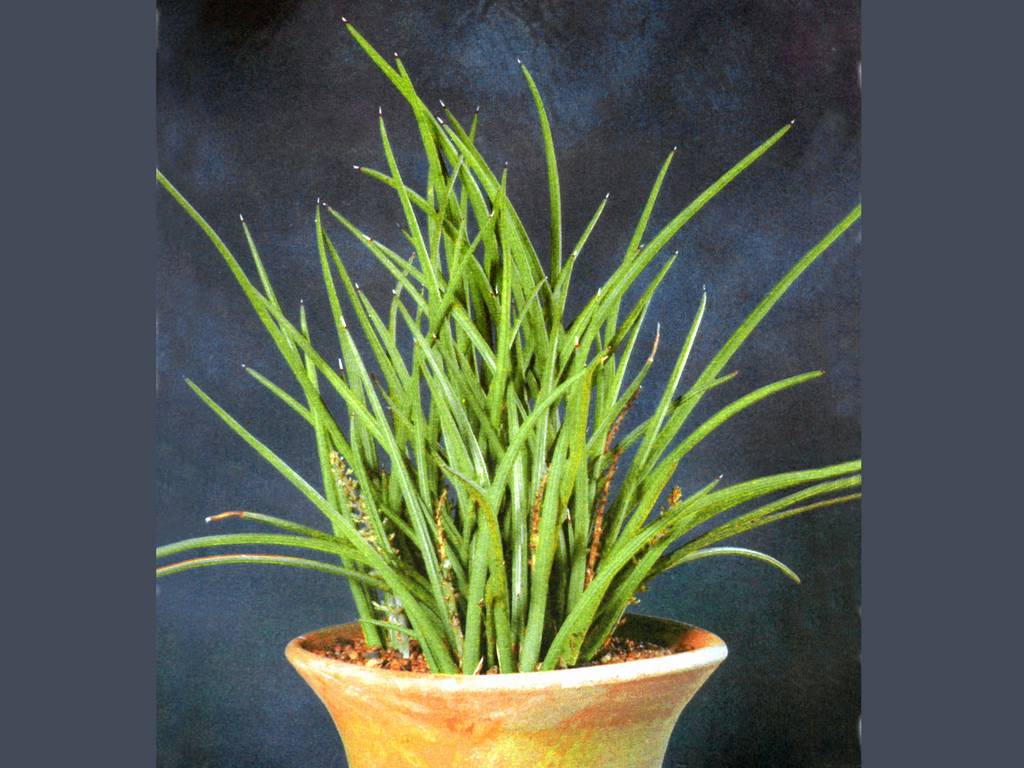
Pin On Sansevieria

Sansevieria Trifasciata Black Jade Dwarf Snake Plant Birds Nest

Sansevieria Ballyi Dwarf Sansevieria The Dwarf Sansevieria Is A

180mm Dwarf MotherInLaws Tongue Sansevieria Trifasciata Mother

Birds Nest Snake Plant Sansevieria Hahnii Growing And Care

71 Sansevierias Ideas Sansevieria Plant Sansevieria Plants
Posting Komentar untuk "Dwarf Sansevieria: The Perfect Indoor Plant for Your Home"